Trail Crew Leader
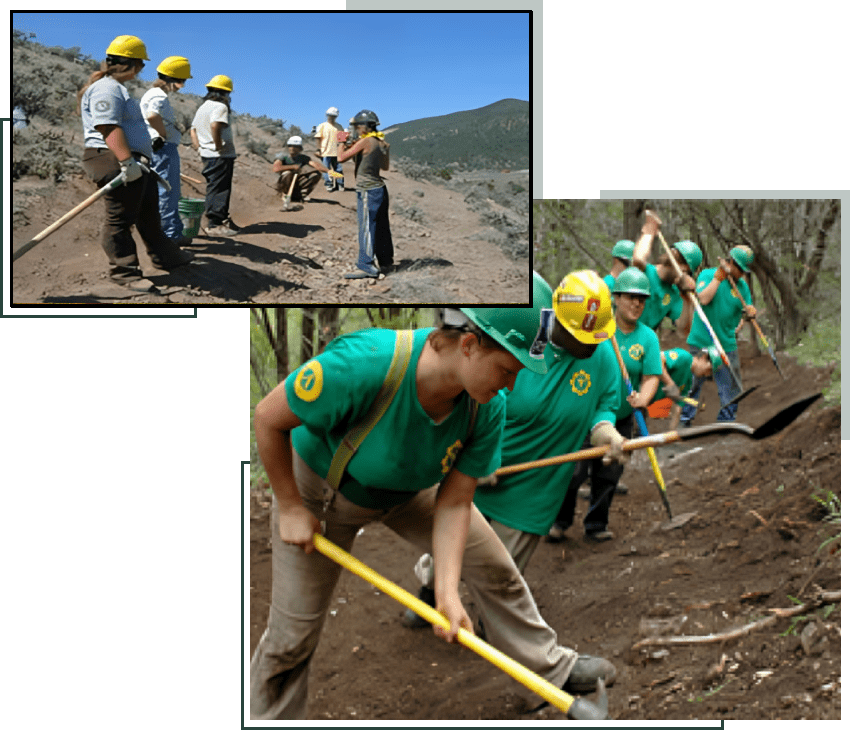
A Trail Crew Leader Program offers several advantages for organizations involved in trail management and conservation. It ensures a skilled and capable workforce that can effectively maintain, construct, and manage trails, enhancing the overall trail user experience. This program also provides leadership opportunities for volunteers or staff, fostering a sense of ownership and pride in the trails they help maintain. A Trail Crew Leader Program can help build a community of trail stewards who are knowledgeable about trail maintenance techniques, safety protocols, and environmental best practices, which can lead to increased trail sustainability and reduced impacts on natural resources. A well-structured Trail Crew Leader Program can contribute significantly to the long-term success and sustainability of trail systems.
Trail Ambassador
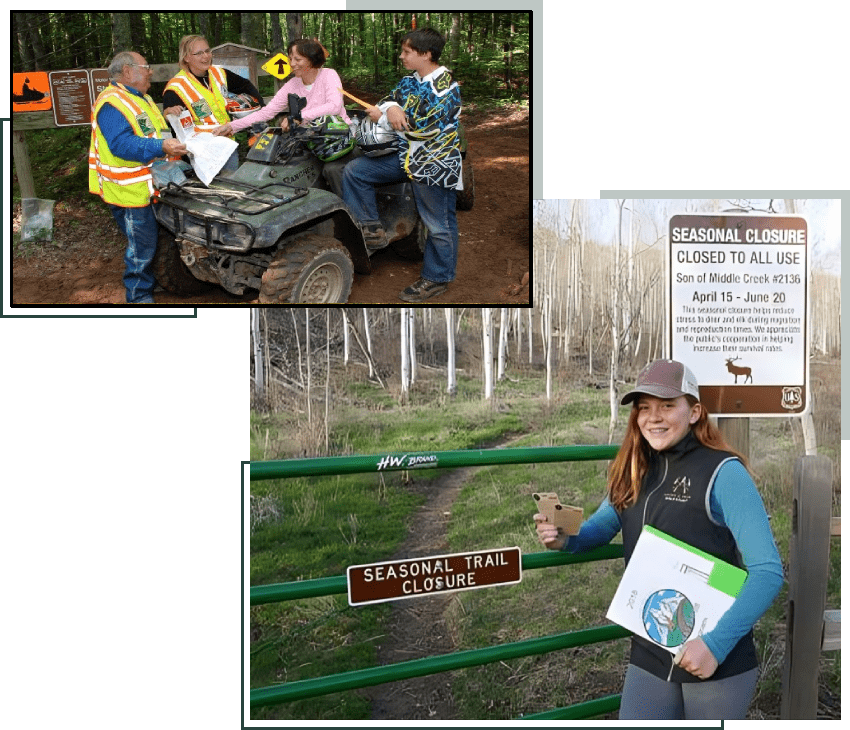
Developing a Trail Ambassador Program offers numerous benefits for trail management and user experience. Ambassadors serve as friendly, knowledgeable representatives who can provide information, guidance, and assistance to trail users, enhancing their overall experience. They play a crucial role in promoting trail etiquette, safety practices, and environmental stewardship, helping to reduce user conflicts and minimize negative impacts on the trail and surrounding areas. Trail Ambassadors also serve as eyes and ears on the trail, reporting maintenance issues, safety concerns, and other relevant information to trail managers, facilitating timely response and management.
Adopt-A-Trail
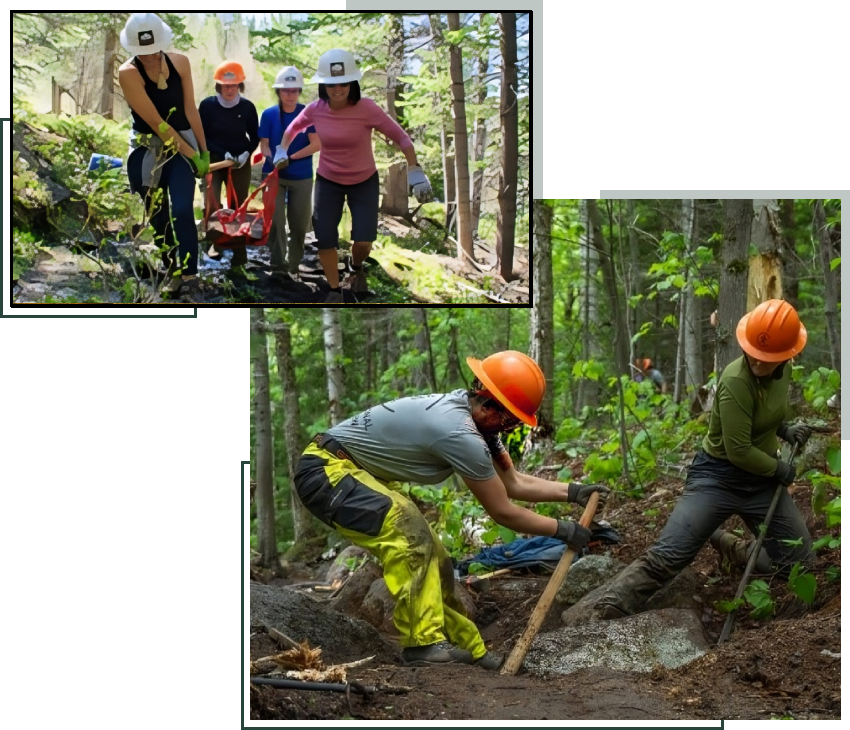
Developing an Adopt-A-Trail Program offers several advantages for trail management and conservation. By engaging volunteers or organizations to adopt specific trail sections, this program helps ensure regular maintenance and monitoring, leading to improved trail conditions and user experiences. Adopters often develop a sense of ownership and pride in their adopted trails, leading to increased stewardship and advocacy for trail protection. Moreover, the program can expand the capacity of trail management agencies by leveraging volunteer resources, allowing for more extensive trail networks and enhanced trail amenities. Overall, an Adopt-A-Trail Program can strengthen community connections to trails, promote responsible trail use, and contribute to the long-term sustainability of trail systems.
Trail Condition Inspector
Developing a Trail Inspector Program offers several advantages for trail management and maintenance. Regularly scheduled trail inspections are essential for maintaining high standards of trail safety, usability, and environmental integrity. Trained Trail Inspectors play a crucial role in identifying maintenance needs, safety hazards, and areas requiring improvement. This proactive approach helps prevent accidents and ensures that trails are well maintained and accessible to all users. Inspectors also contribute to the preservation of natural resources by reporting signs of environmental damage and providing feedback on visitor use patterns. A Trail Inspector Program can enhance trail quality, protect natural environments, and improve the trail user experience.

Trail Maintenance Management Program
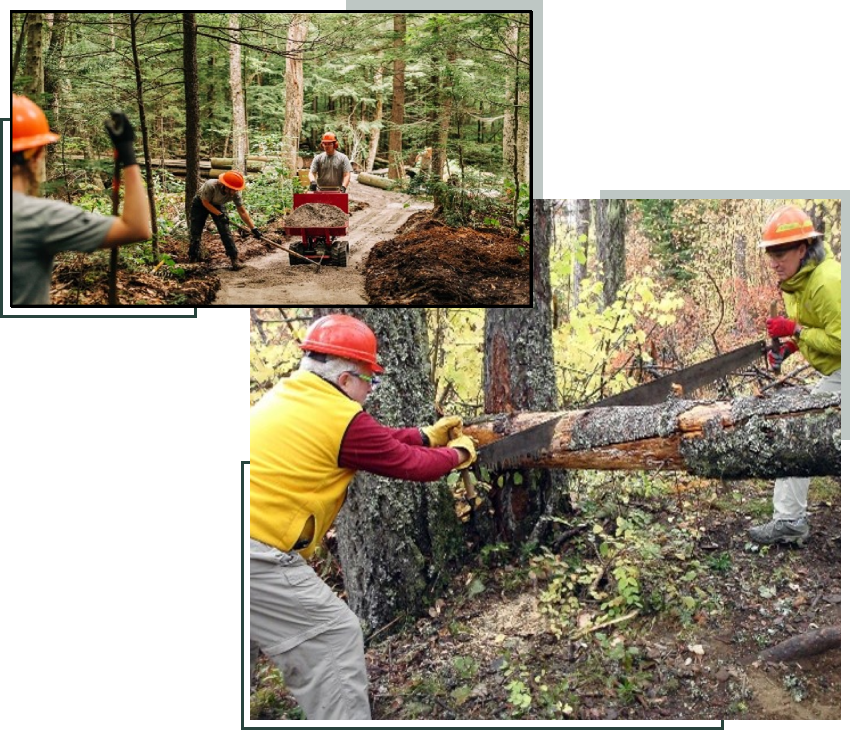
Developing a Trail Maintenance Management Program has a wide range of benefits. Regularly scheduled maintenance addresses common issues like erosion, vegetation overgrowth, and infrastructure deterioration. By providing a well-maintained trail, users can have a more enjoyable experience, whether they are hiking, biking, or engaging in other recreational activities. A Trail Maintenance Management Program plays a crucial role in environmental protection as well, protecting natural habitats, and managing invasive species, promoting ecological health and biodiversity. By addressing issues early, the program reduces the need for costly major repairs, optimizing the use of resources such as funding, equipment, and personnel. This cost-effective approach ensures that the trails and their infrastructure have an extended lifespan, preserving the initial investments and ensuring sustainable use for future generations. Additionally, involving the community in maintenance activities fosters a sense of ownership and stewardship, building stronger community ties and support for the trails. Overall, such a program balances recreational use with environmental preservation, creating a resilient and well-maintained trail network that benefits both people and the natural resources.
Visitor Count Procedures
Developing a trail visitor counting program offers several significant benefits that enhance both the management and the user experience of trail systems. By systematically tracking visitor numbers and types, trail managers gain valuable data that helps in making informed decisions about trail maintenance, resource allocation, and future development. Accurate visitor counts enable managers to identify high-traffic areas that may require more frequent maintenance or upgrades to prevent wear and tear. Understanding peak usage times can help in scheduling maintenance activities during off-peak periods to minimize disruptions for visitors. A visitor counting program also provides essential insights for planning and advocacy efforts. The collected data can be used to justify funding requests, demonstrating the popularity and value of the trails to potential sponsors, grant providers, and local governments. The data supports strategic planning by identifying trends in trail usage. Understanding visitor demographics and behaviors can aid in designing targeted educational and conservation programs, promoting responsible trail use and environmental stewardship.


Visitor Experience Surveys
By gathering direct feedback from trail users, managers gain valuable insights into the strengths and weaknesses of their trails. This feedback can highlight aspects that users enjoy, such as scenic views or well-maintained paths, as well as areas that need improvement, like inadequate signage, safety concerns, or poor maintenance. Understanding user satisfaction allows managers to make data-driven decisions that enhance the overall trail experience, ensuring that trails meet the needs and expectations of a diverse range of visitors. Analyzing survey data over time can reveal trends in visitor preferences and behavior, helping to anticipate future needs and plan for sustainable growth. By actively seeking and responding to feedback, trail managers demonstrate a commitment to user engagement and continuous improvement. This can lead to increased trust and support from the community. Overall, a well-implemented survey program is an essential tool for enhancing user satisfaction, optimizing trail management, and building a supportive trail community.
Volunteer Program Development
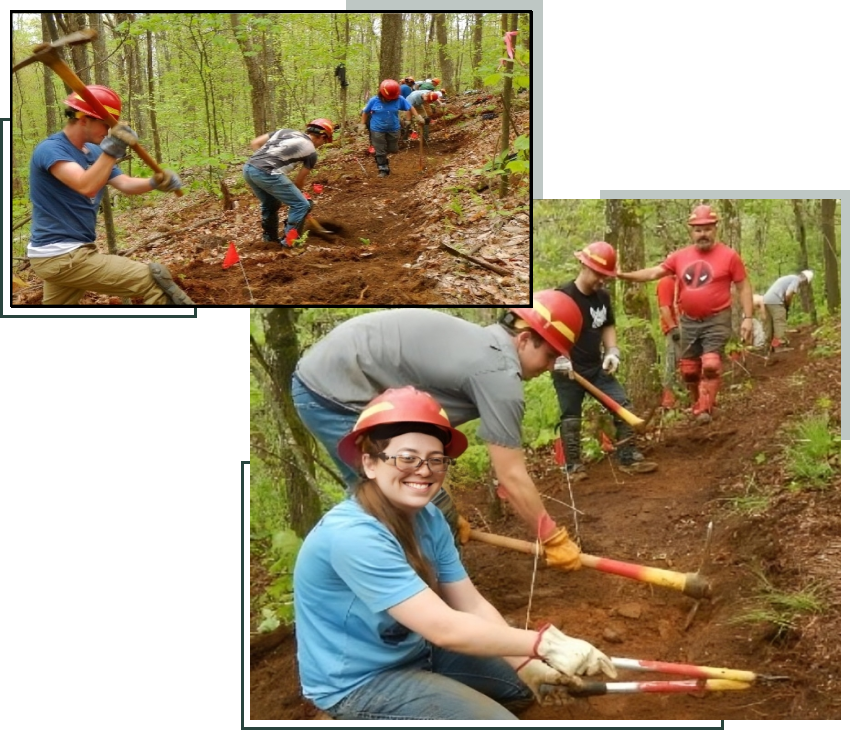
Developing volunteer trail maintenance and construction events provides substantial benefits, particularly in terms of cost savings and operational efficiencies. By leveraging volunteer labor, organizations can significantly reduce expenses associated with hiring paid staff and purchasing materials, often receiving in-kind donations that further offset costs. These events foster community engagement and a personal understanding of the impact that recreational trail use has on the landscape leading to more responsible trail use. Regularly scheduled volunteer-driven maintenance ensures trails are well-kept and quickly addresses issues like erosion and overgrowth, preventing more expensive repairs down the line. Additionally, volunteers gain valuable skills and knowledge, enhancing their connection to the environment and promoting long-term stewardship. Volunteer trail maintenance and construction events are a cost-effective method of maintaining high-quality trail systems and creating supportive trail advocates in the community.
Youth Corps Trail Program Development
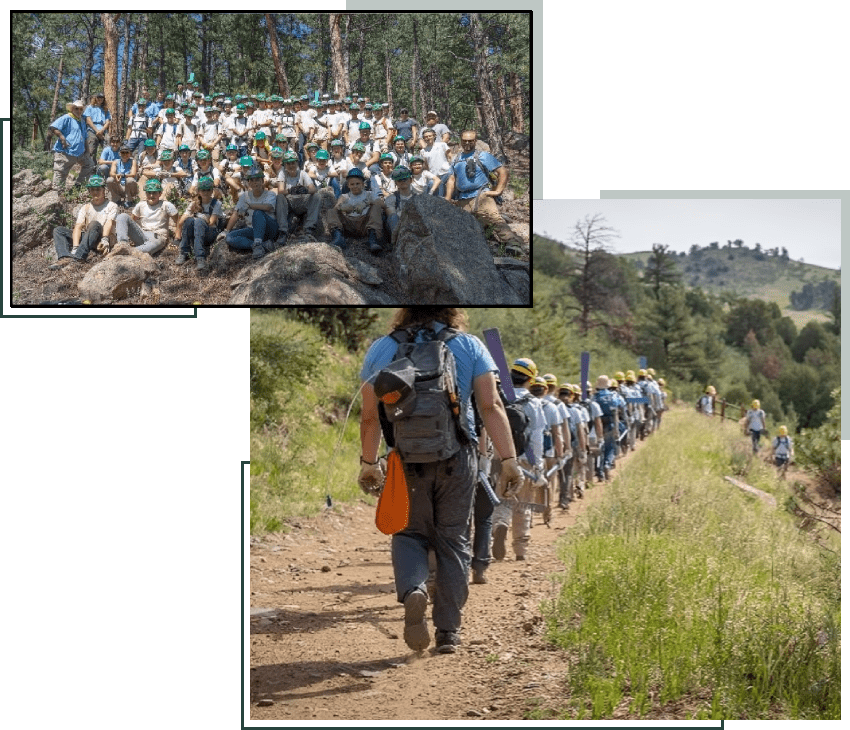
Developing a Youth Corps Trail Program offers numerous benefits that extend beyond trail maintenance and construction. Corps members experience meaningful employment that helps them develop a strong work ethic, leadership skills, and a sense of responsibility. The program can serve as a valuable educational platform, providing practical skills in areas such as trail construction, maintenance, and safety, which can be useful for future careers in environmental science, forestry, and park management. For the trails themselves, the involvement of a dedicated youth corps ensures consistent maintenance and improvements, enhancing the quality and sustainability of the trail network. By engaging young people in trail work, the program fosters a sense of environmental stewardship and community involvement among the youth. A Youth Corps Trail program is a multifaceted initiative that brings together a diverse group of people to work towards a common goal creating a legacy of environmental stewardship.